AGP Executive Report
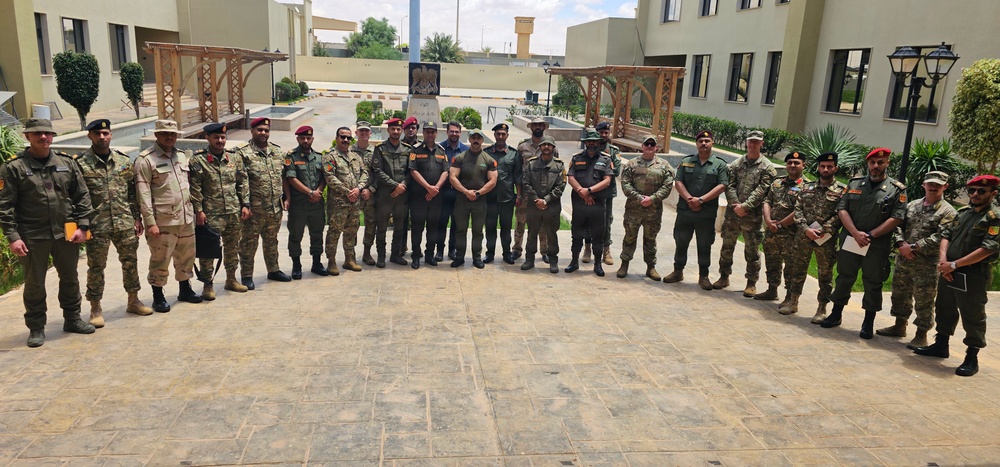
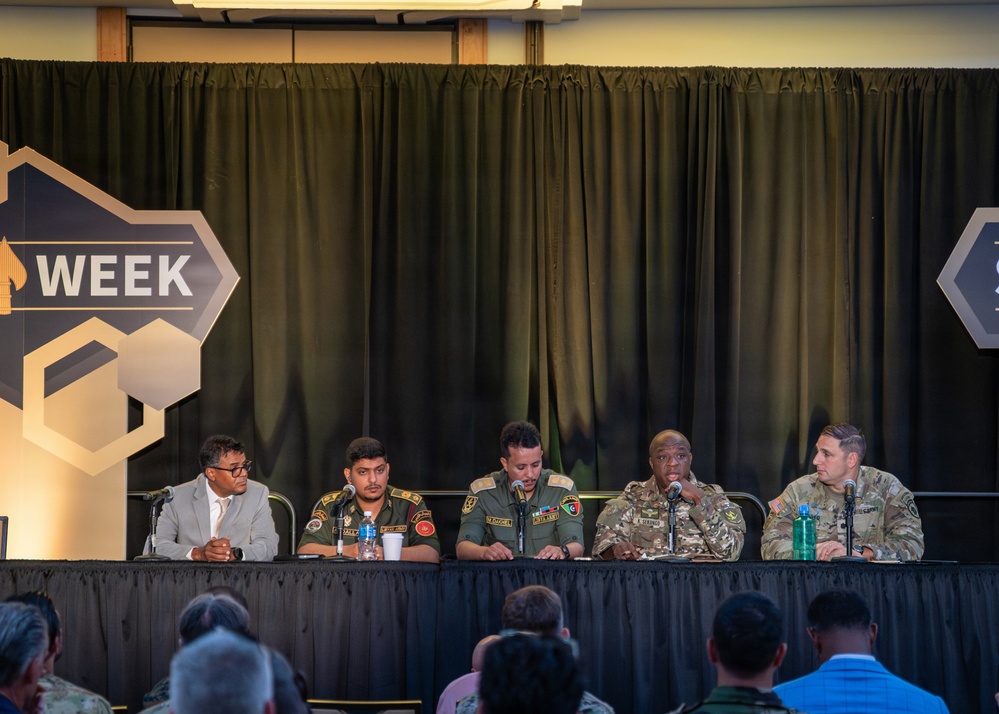
Last update: 4 days agoIn the past 12 hours, Libya-focused coverage leaned heavily toward health, governance, and economic/energy cooperation. The most concrete domestic development was WHO’s presentation of a commemorative shield to Prime Minister Abdul Hamid Dbeibah after Libya was declared free of trachoma, alongside reporting that Libya’s Health Minister met WHO’s Eastern Mediterranean Regional Director to discuss healthcare cooperation and modernization. In parallel, Libya’s Government of National Unity and UN-linked processes continued to emphasize security and stability: a Security Working Group session in Benghazi reviewed recommendations tied to securing elections, conflict prevention, and security sector governance, with participants stressing the need to unify Libyan military and security institutions under the rule of law and respect for human rights.
Economic and infrastructure items also dominated the latest reporting. Misrata Free Zone received its first container ship on a direct China–Libya route operated by COSCO, described as reducing reliance on intermediary ports and improving supply-chain efficiency. The National Oil Corporation endorsed an executive plan to implement 35 development projects across southwest Libya over three years, spanning sectors including healthcare, water, renewable energy, environment, sports, and youth. On the energy-environment front, Libya joined a World Bank-backed initiative to end routine gas flaring by 2030, with figures cited for 2024 flaring and expected savings, and the oil ministry framed the move as both an efficiency and sustainability step.
Diplomacy and cross-border facilitation were also prominent. Libya and India agreed to issue visas in Tripoli via the Indian embassy, removing the need for Libyans to travel to Tunisia, and the two sides also discussed convening a Libyan–Indian joint committee session later in the year. Italy–Libya cooperation continued in parallel, with reporting that Italy and Libya are pushing to speed up gas projects and that Meloni met Dbeibah in Rome, where issues included Libyan prisoners in Italy and cooperation under a quadrilateral migration framework involving Libya, Italy, Turkey, and Qatar. Security and governance coordination also featured in coverage about mechanisms for implementing Parliament’s resolution on frozen funds, and discussions with UN representatives on security and political developments.
Outside Libya, some items in the same 12-hour window provided broader context but were not clearly tied to a single Libya-specific event. These included regional media-freedom concerns in MENA, and international reporting on Israel–UAE defense cooperation and the Global Sumud Flotilla—coverage that may intersect with Libya mainly through Libya’s inclusion in a joint condemnation statement. Overall, the most substantiated “Libya developments” in the last 12 hours were the WHO trachoma milestone, the Misrata–China shipping milestone, the NOC southwest development plan, and Libya’s World Bank gas-flaring commitment—supported by additional diplomatic and security-track reporting that suggests continuity rather than a sudden shift.
Note: AI summary from news headlines; neutral sources weighted more to help reduce bias in the result.